CRM systems have numerous benefits, particularly in terms of increasing sales, improving customer satisfaction and streamlining business operations. However, success depends on a well-made CRM implementation plan. If the right steps aren't followed, projects can go badly wrong.
Here we outline how organisations can master a project with a successful CRM implementation plan.
Prepare A CRM Strategy - And Goals
A CRM platform functions best when it is treated as a core business strategy rather than simply another software tool. It represents a philosophy centred on understanding customers, anticipating their needs, and shaping every interaction to strengthen long-term relationships. When positioned in this way, the CRM becomes an integral component of daily operations, reinforcing consistent processes that support scalability, profitability, and sustainable growth.
To achieve this, the organisation must define a clear hierarchy of goals that the CRM directly supports. These should incorporate tactical objectives such as improving lead qualification, shortening sales cycles, or increasing marketing campaign accuracy. They should also reflect broader strategic aims, including enhancing customer lifetime value, elevating service quality, and improving cross-department visibility. High-level goals might focus on strengthening competitive positioning or enabling data-driven decision-making across the business.
Create a CRM implementation team
A CRM implementation team is crucial for ensuring there is project buy-in within the organisation. Including key stakeholders within the team makes certain that the end result meets the goals of the organisation.

The implementation team should also include individuals with strong project management capabilities. Their involvement ensures the programme is structured, coordinated, and delivered in a controlled manner. These individuals play a pivotal role in securing the necessary time and attention from key stakeholders, many of whom will be managing competing priorities alongside their involvement in the CRM rollout. They take responsibility for communicating timelines, milestones, and upcoming phases with clarity, keeping everyone aligned on expectations and progress.
In addition, they monitor dependencies, track risks, and maintain momentum across internal teams and external partners. By providing disciplined oversight and ensuring consistent communication, they help the project remain on schedule and prevent delays that could impact adoption or budget.
Undertake a Risk Assessment
A thorough risk assessment is a central part of any CRM implementation, providing a structured view of what could impede progress and how those risks can be controlled. Its purpose is to surface operational, technical, financial, and user-related challenges early, enabling the project team to prepare appropriate responses rather than reacting under pressure later. This exercise also sharpens budget planning, as it highlights areas where additional contingency, external support, or extended timelines may be required.
A well-constructed CRM implementation risk assessment should include several core elements. First, it needs a detailed review of stakeholder availability and engagement, recognising that limited input from sales, service, or leadership teams can cause misalignment or delays. It should also examine data-quality issues, including incomplete records, inconsistent structures, or legacy datasets that may complicate migration. Technical risks must be considered, such as integration complexities, dependencies on third-party applications, or potential infrastructure constraints.
Process-related risks should be documented as well. These include unclear requirements, scope creep, and gaps in current workflows that could lead to rework or inefficiencies. User-adoption risks are equally important: resistance to new systems, insufficient training, or poorly defined change-management activities can all undermine the value of the CRM. Finally, the assessment should evaluate budgetary and timeline risks, outlining where costs may escalate or where key phases may take longer than anticipated.
By capturing these risks, analysing their likelihood and impact, and defining clear mitigation actions, the business gains a realistic view of the path ahead and can allocate resources appropriately. This disciplined approach increases confidence, strengthens governance, and supports a smoother, more predictable implementation journey.
Create a CRM Implementation Plan
Developing a structured CRM implementation plan gives the business a clear roadmap from initial configuration through to full adoption. It sets expectations, assigns responsibilities, and provides a transparent view of how the rollout will unfold. Although the early stages of implementation often involve technical teams working independently, the plan must anticipate when and how wider staff engagement will occur. This includes planning workshops, user acceptance testing, and phased onboarding sessions, ensuring employees are brought into the process at the right time and with the right level of support.
Breaking the programme into manageable stages is essential. Typical phases might include discovery and requirements gathering, system configuration, integrations, data migration, pilot testing, training, and steady-state support. Structuring the work in this way prevents staff from being confronted with too many changes at once, helping them understand new processes in digestible steps. It also accelerates familiarity with the system, promotes better retention of new skills, and reduces the likelihood of errors that often occur when users feel rushed or overwhelmed.
A staged approach also plays an important role in controlling project spend. Smaller, clearly defined phases allow the business to track progress and costs more accurately, identify issues before they escalate, and make timely adjustments without destabilising the entire programme. This level of oversight not only protects the budget but also supports stronger governance and more predictable delivery outcomes.
Establish CRM Settings
This involves the specification of fields, user permissions, and deal stages. They depend on what CRM users should have access to and the provisions supported by a particular system. Below is an example of Microsoft Dynamics 365:
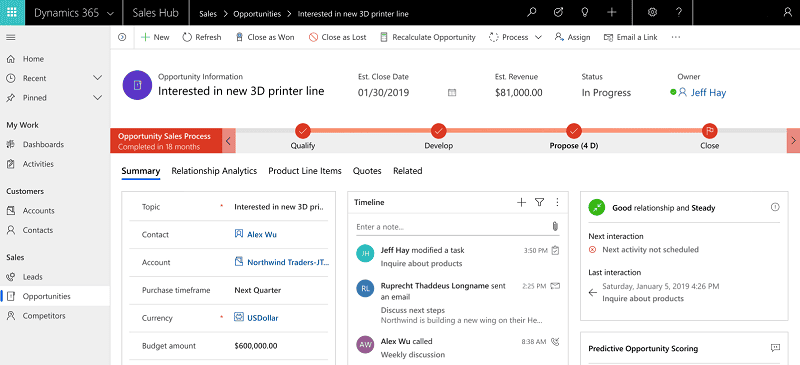
The settings must include internal usage guidelines that clearly outline when, what, and how things are supposed to be done in the system. This should be prepared ahead of training.
Deliver Adequate Training
Similar to stakeholder engagement, training is central to achieving a successful CRM implementation. It must be structured to support every type of user, from early adopters who are eager to explore new functionality to those who may be more hesitant or concerned about change. Effective training equips everyone with the confidence and skills required to use the system consistently, ensuring the CRM delivers the expected business value rather than becoming an underutilised tool.
High-quality CRM training uses a blend of delivery methods to suit varied learning styles. Online materials, such as short videos or guided modules, offer convenience and can reinforce learning at the user’s own pace. However, in-person workshops, scenario-based exercises, and hands-on sessions are equally important, allowing staff to practise real tasks, ask questions, and gain immediate clarification. This mix helps embed new behaviours and ensures users understand how the CRM supports their day-to-day responsibilities.
Planning training ahead of each project milestone ensures staff are prepared well before the system becomes operational. As modules or features move towards completion, training sessions can validate whether the CRM aligns with business requirements and address gaps early. This proactive approach reduces rework, strengthens adoption, and keeps deployment timelines steady. It also prevents costly adjustments once the system is live, maintaining momentum and safeguarding project budgets.
Seek feedback
Encourage continual feedback from employees throughout and after deployment. Their insights reveal how well the system supports day-to-day work, highlight areas that may need refinement, and inform future enhancements that strengthen long-term value.
Akita delivers CRM solutions built on Microsoft Dynamics 365, supported by consultants with deep expertise in stakeholder engagement, structured delivery, and disciplined project governance. If you’re looking to shape a robust and realistic CRM implementation plan, speak with our Microsoft Dynamics specialists toda