How much does it cost to implement an ERP system? The answer depends on a wide range of factors: the size of the company, the level of customisation required, the number of users and the depth of integration with other systems, to name just a few.
For this reason, there is no single standard ERP implementation cost. A relatively straightforward deployment for a smaller organisation may cost tens of thousands of pounds, while a complex enterprise-wide implementation can run into hundreds of thousands or even millions.
However, if approached strategically, the cost to implement an ERP system can be much lower than an organisation might expect.
The key is understanding what you actually need from an ERP system, what is included in an implementation and which factors are likely to increase the scope of the project.
The Average Cost To Implement An ERP System
Research into ERP implementation costs regularly highlights just how widely project budgets can vary. According to research by Panorama Consulting, the average cost of an ERP system implementation was approximately $1.3 million (£983k). However, this number disguises a very wide range – from relatively small implementations costing thousands of pounds to complex, multi-million-pound transformation programmes.
For most organisations, therefore, an industry-wide average is not particularly useful for setting an ERP budget. The more relevant question is: what will it cost to implement an ERP system that meets your organisation's specific requirements?
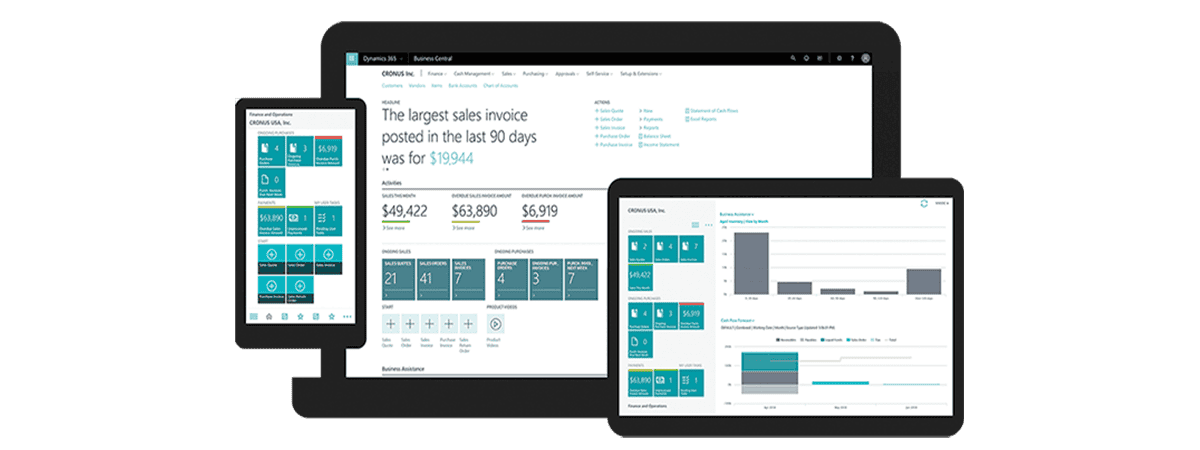
Arguably, the market is evolving fastest at the lower end. Products such as Microsoft Dynamics 365 Business Central offer organisations a solution that can scale to meet the demands of small operations through to larger, multi-entity organisations.
Choosing the right product can therefore be key to achieving long-term value from an ERP system and avoiding costly replacement programmes further down the line.
Modern cloud ERP systems can also change the economics of implementation. Rather than investing heavily in infrastructure and highly customised software from the outset, organisations can often start with the functionality they need and expand the solution as their requirements develop.
What Is Included In The Cost Of An ERP Implementation?
An ERP implementation quote should cover considerably more than access to the software itself. Depending on the project, costs may include:
- ERP software licences and subscriptions
- Discovery and requirements gathering
- Solution design and configuration
- Custom development
- Data cleansing and migration
- Integration with other business systems
- Testing and quality assurance
- User training
- Project management
- Go-live support
- Ongoing ERP support and optimisation
Understanding which of these elements are included is important when comparing ERP proposals. A lower initial quote may not represent better value if essential work such as data migration, integrations or training is charged separately.
The Factors That Influence ERP Implementation Cost
To start with, the size and structure of a business will affect how much it costs to implement an ERP system.
A standard configuration for a smaller company is usually more affordable than one for a larger organisation because it will typically require fewer user licences, less complex processes and potentially less customisation.
How complex the software needs to be depends greatly on what each individual business wants and needs from its ERP system.
The main factors influencing ERP implementation costs typically include the following:
How Many People Will Use The ERP System?
The number of users can affect both the initial implementation and the ongoing cost of the ERP platform.
Different users may also require different levels of functionality. A finance user, warehouse operative and senior manager may interact with an ERP system in very different ways. Understanding these requirements can help organisations avoid paying for unnecessary functionality or licences.
How Much ERP Customisation Is Required?
The closer an organisation can remain to the standard functionality of its chosen ERP platform, the more straightforward implementation is likely to be.
Custom development can be valuable where it supports a genuine competitive advantage or unique business requirement. However, unnecessary customisation can increase the initial cost of an ERP implementation while also making future upgrades and maintenance more complex.
A good ERP implementation partner should therefore challenge requirements rather than automatically customising the system to recreate existing processes. In many cases, adopting ERP best-practice processes can deliver better outcomes at a lower overall cost.
How Many Systems Need To Be Integrated?
ERP implementation cost will also depend on how many other systems are involved with the project.
An ERP system is designed to sit centrally within an organisation and connect its teams, processes and data. If a company has a large number of pre-existing systems that must be integrated with the new ERP software, this can increase the cost of implementation.
Common integrations can include CRM platforms, ecommerce systems, warehouse management software, banking platforms, payroll solutions and specialist industry applications.
Integration requirements should therefore be identified early in the project. This allows the implementation partner to determine whether standard connectors are available or whether custom integration work will be required.

How Much Data Needs To Be Migrated?
Data migration is another significant factor in determining how much an ERP implementation costs.
Moving data from existing finance, accounting or ERP platforms is rarely as simple as transferring information from one system to another. Existing data may need to be cleaned, reformatted, deduplicated and mapped against the structure of the new platform.
The volume and quality of existing data can therefore have a significant impact on project scope. Organisations can often reduce implementation costs by reviewing their data early and deciding what genuinely needs to be migrated.
How Complex Are Your Business Processes?
Two organisations with the same number of employees can have very different ERP requirements. A business operating from one location with straightforward financial processes will generally require a simpler implementation than a multi-company organisation operating internationally across manufacturing, distribution and complex supply chains.
Factors such as multiple legal entities, currencies, warehouses, production processes and reporting requirements can all increase implementation complexity.
Does A Cloud ERP System Cost Less To Implement?
Historically, ERP systems often required significant upfront investment in servers, infrastructure and ongoing IT management.
Cloud ERP platforms have changed this model. Solutions such as Microsoft Dynamics 365 Business Central are typically provided through subscription-based licensing, reducing the requirement for organisations to purchase and maintain dedicated infrastructure.
This does not necessarily mean every cloud ERP implementation will be inexpensive. Configuration, migration, integration and consultancy are still required. However, cloud deployment can reduce infrastructure costs and make it easier to scale the solution as an organisation grows.
Are There Hidden Costs When Implementing An ERP System?
ERP projects can incur additional costs when requirements are not identified early enough. Common areas that organisations should consider when setting their budget include data cleansing, additional integrations, custom development, user training and internal staff time.
Scope changes during implementation can also increase costs. This is why thorough discovery at the beginning of the project is so important. Defining processes, priorities, integrations and expected outcomes before development begins creates a clearer implementation roadmap and a more reliable budget.
Organisations should also consider the total cost of ownership rather than focusing exclusively on the initial implementation price. ERP systems are long-term business platforms, so licensing, support, upgrades and future development should form part of the investment decision.
How Long Does It Take To Implement An ERP System?
Implementation time has a direct relationship with ERP cost. A straightforward deployment using largely standard functionality can be delivered much faster than a complex transformation involving multiple departments, systems and locations.
The implementation approach can also make a significant difference. Some organisations choose to deploy their ERP system in phases, starting with priority areas such as finance before introducing additional functionality. This can reduce initial project scope, accelerate time to value and spread investment over a longer period.
How Can You Reduce The Cost Of An ERP Implementation?
There are several ways organisations can control ERP implementation costs without compromising the quality of the final solution.
Start by clearly defining the business outcomes the ERP system needs to achieve. This helps prevent unnecessary functionality from entering the project scope.
Where possible, use standard ERP functionality and established best-practice processes rather than automatically recreating every element of a legacy system. Organisations should also review and clean their data before migration and identify essential integrations early.
A phased implementation can be another effective approach. Rather than attempting to transform every business process simultaneously, organisations can prioritise the areas that will deliver the greatest immediate value and expand the ERP platform over time.
Finally, selecting an experienced implementation partner can reduce the risk of expensive mistakes. The cheapest initial proposal does not necessarily result in the lowest overall ERP cost if poor planning leads to delays, rework or a system that requires significant redevelopment.

How Should You Budget For An ERP System?
Rather than asking only "How much does ERP software cost?", organisations should build a budget around the complete lifecycle of the system.
This means considering four broad areas:
- The cost of the ERP software and licences
- The cost of implementing and configuring the solution
- The cost of training, adoption and organisational change
- The ongoing cost of support, optimisation and future development
It is also important to consider the return on investment. A well-designed ERP system should create measurable value by reducing manual processes, improving productivity, providing better business insight and enabling an organisation to operate more efficiently as it grows.
Is An ERP System Worth The Cost?
ERP implementation should ultimately be viewed as a business investment rather than simply a technology expense.
The right ERP solution can provide a single source of truth across an organisation, connect previously fragmented processes and give decision-makers access to more reliable information.
The potential return can come from reducing administrative work, automating repetitive processes, improving financial control, optimising inventory and strengthening business reporting. For growing organisations, an ERP system can also provide the scalable operational foundation needed to expand without continually adding disconnected systems and manual processes.
The value of an ERP system therefore depends not simply on how much it costs to implement, but on the operational improvements and long-term efficiencies it enables.
How Much Will Your ERP Implementation Cost?
Ultimately, the cost to implement an ERP system depends on your organisation, its processes and what you need the technology to achieve.
A meaningful ERP implementation estimate should therefore follow a detailed discussion of your requirements rather than rely on a generic price per user or industry average.
Akita Intelligent Solutions works with organisations to understand their operational requirements and design ERP solutions around their business objectives. As a Microsoft Business Applications Solutions Partner, our consultants deliver Microsoft Dynamics 365 Business Central implementations designed to improve efficiency, connect operations and provide a scalable platform for future growth.
If you are considering a new ERP system or replacing an existing finance or business management platform, speak to Akita's ERP consultants about your requirements. We can help define the likely project scope, implementation approach and investment required to deliver the right solution for your organisation.