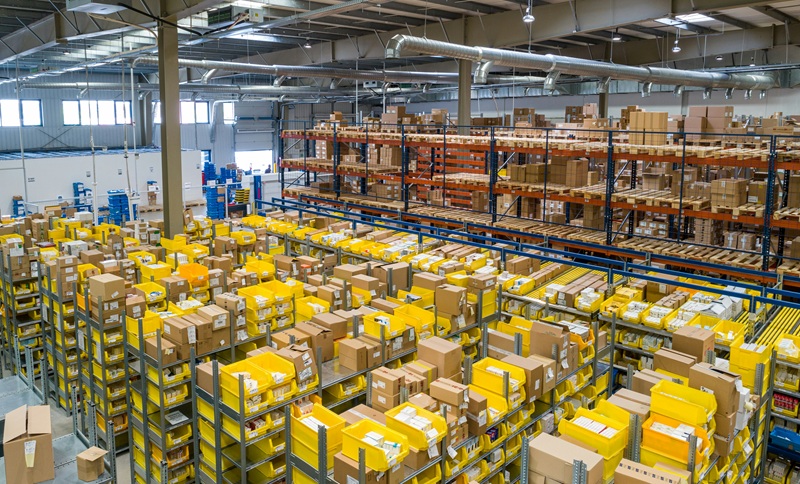
For organisations dealing with physical goods, warehouse management systems sit at the centre of modern operations; offering the foundational capability that underpins service levels, cost control and scalability.
As supply chains become more volatile and customer expectations continue to rise, operations leaders are increasingly judged on how effectively they can orchestrate warehouse activity as part of a wider operational ecosystem.
At its core, a warehouse management system provides real-time visibility and control over inventory, people and processes. The value, however, extends far beyond stock tracking. When deployed and used well, it becomes a lever for operational resilience and continuous improvement.
Operational Visibility And Control
One of the most immediate benefits of a warehouse management system is the level of visibility it brings to day-to-day operations. Manual processes and spreadsheet-driven stock control create lag, inconsistency and blind spots. A modern system provides a single source of truth for inventory levels, stock locations, inbound goods and outbound orders.
For operations teams, this visibility translates into control. Leaders can see bottlenecks forming, identify underutilised space, and respond quickly to demand fluctuations. Real-time data allows supervisors to reallocate labour during peak periods and gives management confidence in reported figures. This clarity is particularly valuable for organisations operating multiple warehouses or managing complex product ranges, where the cost of poor visibility compounds quickly.
Improved Accuracy And Reduced Waste
Accuracy is a persistent challenge in warehouse environments. Picking errors, miscounts and misplaced stock all erode margin and customer trust. Warehouse management systems enforce process discipline through barcode scanning, guided picking and system-driven validation at each step of the workflow.
The impact on waste reduction is significant. Fewer errors mean fewer returns, less rework and reduced write-offs. Better stock accuracy also supports tighter inventory holding, freeing up working capital without increasing risk. For operations leaders under pressure to improve efficiency while managing costs, these incremental gains add up quickly.
Scalable And Standardised Processes
As organisations grow, warehouse processes often evolve organically. What worked at a smaller scale becomes brittle as volumes increase, new sites are added or product lines expand. A warehouse management system provides a framework for standardising best-practice processes across the operation.
Standardisation does not mean rigidity. Instead, it allows teams to scale with confidence, knowing that core workflows such as receiving, put-away, picking and dispatch are consistently executed. This consistency simplifies training, reduces dependency on individual knowledge and makes it easier to onboard temporary or seasonal staff. For operations leaders, it also creates a platform for future automation and optimisation initiatives.
Enhanced Customer Service And Reliability
Warehouse performance is directly linked to customer experience. Late deliveries, incomplete orders and inaccurate stock promises quickly undermine confidence. A warehouse management system strengthens the link between operations and customer commitments by ensuring that order fulfilment is accurate, timely and predictable.
Improved picking accuracy and faster throughput reduce lead times and support higher service levels. Integration with sales and order management processes allows customer-facing teams to provide reliable delivery information and respond proactively to issues. In competitive markets, this reliability becomes a differentiator, supporting long-term customer relationships rather than reactive firefighting.
Data-Driven Continuous Improvement
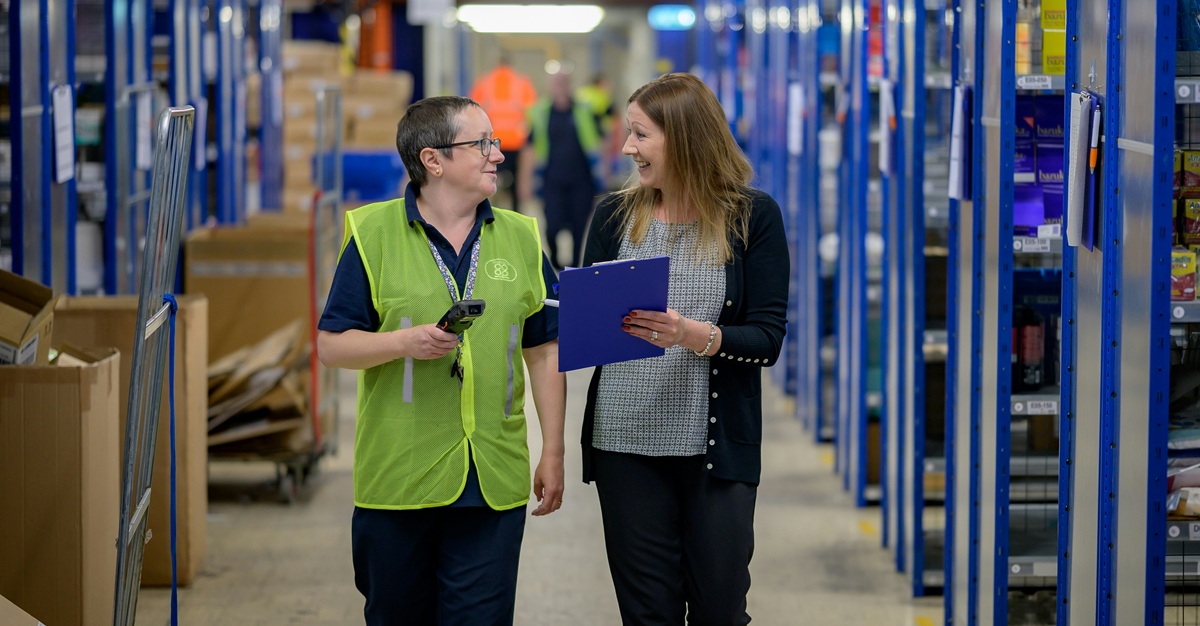
Beyond day-to-day execution, a warehouse management system provides the data foundation required for meaningful improvement. Detailed insights into pick rates, order cycle times, space utilisation and error rates allow operations teams to move from anecdotal decision-making to evidence-led optimisation.
This data supports targeted process improvements rather than broad, disruptive change. Leaders can identify where small adjustments will deliver measurable gains, whether that is reconfiguring pick paths, adjusting replenishment rules or refining labour planning. Over time, this continuous improvement mindset drives sustained efficiency gains and aligns warehouse operations with wider business objectives.
How Business Central Can Support Your Warehouse Management Needs
For organisations seeking to embed warehouse management as part of a joined-up operational strategy, Business Central provides a pragmatic and scalable platform. Rather than treating the warehouse as a standalone function, it connects inventory, finance, purchasing and sales within a single environment.
This integrated approach ensures that warehouse activity is aligned with financial control, demand planning and customer commitments.
Business Central supports a range of warehouse management capabilities, from basic inventory control through to more advanced bin management, directed picking and real-time stock visibility. Crucially for operations leaders, it enables warehouse processes to evolve alongside the business, without introducing disconnected systems or data silos.
When combined with process design and operational insight, it becomes a strong foundation for improving efficiency, resilience and profitability across the supply chain.
To discuss a Business Central warehouse management system, speak with our ERP consultants today: