Investing in a new ERP system is rarely just a technology project. Whether you're replacing a legacy platform, moving away from spreadsheets, or looking to improve visibility across your operations, the success of your Microsoft Dynamics 365 Business Central project often depends on the quality of the consultancy behind it.
A skilled Business Central consultant does far more than configure software. They help align technology with business goals, identify process improvements, reduce project risk, and ensure your organisation gets long-term value from its ERP investment.
If you're currently evaluating implementation partners or considering whether consultancy support is necessary, these are the ten questions you should ask before making a decision.
-
What Does A Business Central Consultant Actually Do?
Many organisations assume a Business Central consultant's role is primarily technical. In reality, effective consultancy starts with understanding your business.
A Business Central consultant should analyse your existing processes, identify inefficiencies, gather requirements, and design a solution that supports your operational goals. This often includes discovery workshops, process mapping, solution architecture, integration planning, data migration strategy, training plans, and implementation oversight.
The best consultants focus on business outcomes first and software configuration second.
-
Do We Need Consultancy Before Implementing Business Central?
ERP projects can become expensive and disruptive when requirements haven't been properly defined. Without consultancy, businesses often discover process gaps, reporting issues, or integration challenges once implementation is already underway.
So for most organisations, the answer is ‘yes’.
Engaging a Business Central consultant early helps establish a clear roadmap, reduces the likelihood of scope creep, and ensures the platform is configured around your business rather than forcing your teams to adapt to generic system settings.
-
When Should We Engage A Business Central Consultant?
The ideal time to engage a consultant is before selecting modules, agreeing implementation costs, or committing to project timelines.
Typical triggers include:
- Replacing an ageing ERP system
- Outgrowing spreadsheet-based processes
- Expanding into new locations or markets
- Increasing operational complexity
- Mergers and acquisitions
- Improving reporting and business visibility
The earlier consultancy begins, the more opportunity there is to identify risks and optimise processes before implementation starts.
-
How Much Does Business Central Consultancy Cost?
There is no universal answer because every organisation's requirements are different.
The cost of Business Central consultancy will vary depending on the size and complexity of your project. Factors such as the number of users, operational requirements, integration needs, data migration volumes, customisation requirements, and project timescales can all influence the level of consultancy required.
Organisations with more complex manufacturing, service management, or multi-system environments will typically require a greater degree of planning and solution design than those with simpler requirements.
Rather than focusing solely on consultancy costs, organisations should consider the potential cost of getting the project wrong. Poorly scoped ERP projects often result in delays, rework, user frustration, and additional implementation expenses.
-
Can Business Central Be Configured To Match Our Business Processes?
This is one of the most important questions to ask.
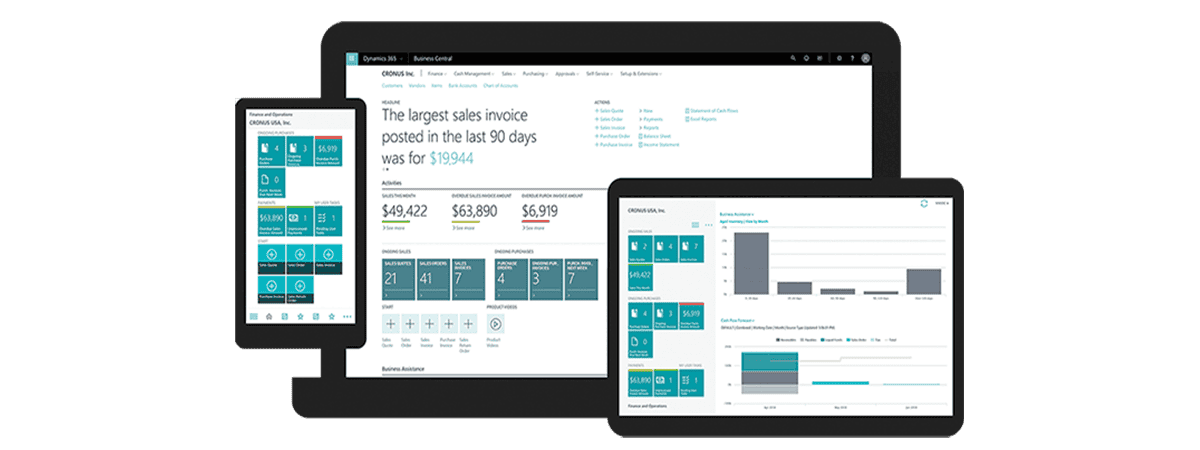
Business Central provides extensive functionality across finance, operations, inventory, manufacturing, purchasing, warehousing, and service management. In many cases, standard functionality can support requirements with relatively little modification.
A good Business Central consultant will assess where configuration is appropriate, where industry-specific extensions may be beneficial, and where custom development is genuinely required.
The objective should not be to customise everything. Instead, it should be to create efficient processes that balance business requirements with system best practice.
-
What Information Will A Consultant Need From Us?
The success of any consultancy engagement depends on quality information.
Before engaging a Business Central consultant, consider documenting:
- Current systems and software
- Key business processes
- Reporting requirements
- Operational challenges
- Existing manual tasks
- Integration requirements
- Growth objectives
- User numbers and departments
Providing clear information early helps consultants build more accurate recommendations and ensures project estimates reflect the true level of complexity.
-
How Long Will A Business Central Project Take?
Implementation times vary significantly depending on project scope.
A relatively straightforward finance deployment may require considerably less effort than a multi-site manufacturing implementation involving warehouse management, production planning, third-party integrations, and extensive historical data migration.
Factors affecting project duration include:
- Business complexity
- Data quality
- Number of departments involved
- Integration requirements
- User training needs
- Internal stakeholder availability
An experienced Business Central consultant should help establish realistic expectations and identify dependencies that could affect project timelines.
-
Can Business Central Integrate With Our Existing Systems?
Modern organisations typically operate multiple systems across finance, operations, sales, customer service, and reporting.
Before engaging a consultant, you should understand how Business Central will interact with your wider technology estate.
Common integrations include:
- Microsoft 365
- Power BI
- CRM platforms
- E-commerce systems
- Supplier portals
- Industry-specific applications
A Business Central consultant should be able to assess integration requirements early in the project and ensure information flows efficiently across the organisation.
-
Can A Consultant Help If We Already Use Business Central?
Many organisations engage Business Central consultants long after their initial implementation.
Common consultancy engagements include:
- System health checks
- Process optimisation
- Reporting improvements
- Power BI dashboard development
- Workflow automation
- User adoption programmes
- New module deployment
- Manufacturing and warehousing enhancements
As businesses evolve, their systems must evolve with them. A consultant can help ensure your Business Central environment continues to support growth and changing operational requirements.
-
How Do We Choose The Right Business Central Consultant?
Not all partners offer the same level of expertise.
When evaluating a Business Central consultant, look beyond software knowledge and consider their ability to understand your business.
When assessing a Business Central consultant, look for a partner with proven industry experience, a structured consultancy methodology, and strong discovery and solution design capabilities. They should be able to demonstrate solution architecture expertise, a successful implementation track record, and the ability to support user adoption through training and change management.
Ongoing support and optimisation services are equally important for ensuring long-term value from your Business Central investment.
The most successful ERP projects are built on strong partnerships. A consultant should challenge assumptions, identify opportunities for improvement, and help shape a solution that delivers measurable business value rather than simply deploying software.
More Than Implementation
Hiring a Business Central consultant is about far more than technical implementation. The right consultancy partner can help you define requirements, improve processes, reduce risk, and maximise the return on your ERP investment.
If you're evaluating Microsoft Dynamics 365 Business Central, asking these ten questions will help you identify whether a potential partner has the experience, methodology, and commercial understanding needed to support a successful transformation project.
Ultimately, the goal isn't just to implement Business Central. It's to build a platform that supports better decision-making, greater efficiency, and sustainable business growth for years to come.
Ready To Explore Business Central?
Choosing the right Business Central consultant can make the difference between a smooth, successful ERP project and one that overruns on time, budget, or expectations. Whether you're replacing a legacy system, improving operational visibility, or planning for growth, expert consultancy helps ensure your solution is designed around your business goals from day one.
Book a consultation today and discover how Business Central can support your next stage of growth.