Whether supporting exploration, platform maintenance, or production infrastructure, oil and gas organisations must coordinate large teams, specialised equipment, and strict compliance requirements across geographically dispersed locations.
The challenge intensifies as operations scale. Expanding offshore activity often introduces new contractors, additional assets, and greater logistical complexity. Without the right operational visibility and coordination tools, this growth can quickly introduce inefficiencies, safety risks, and rising operational costs.
This is where modern service management platforms play a critical role. A platform such as Microsoft Dynamics 365 Field Service enables organisations to scale offshore operations while maintaining the control, oversight, and efficiency required in high-risk environments.
For leadership teams responsible for operational performance, safety, and profitability, understanding how a solution like Dynamics 365 Field Service supports offshore development can support expansion without compromising governance is increasingly important.
The Operational Complexity Of Offshore Development
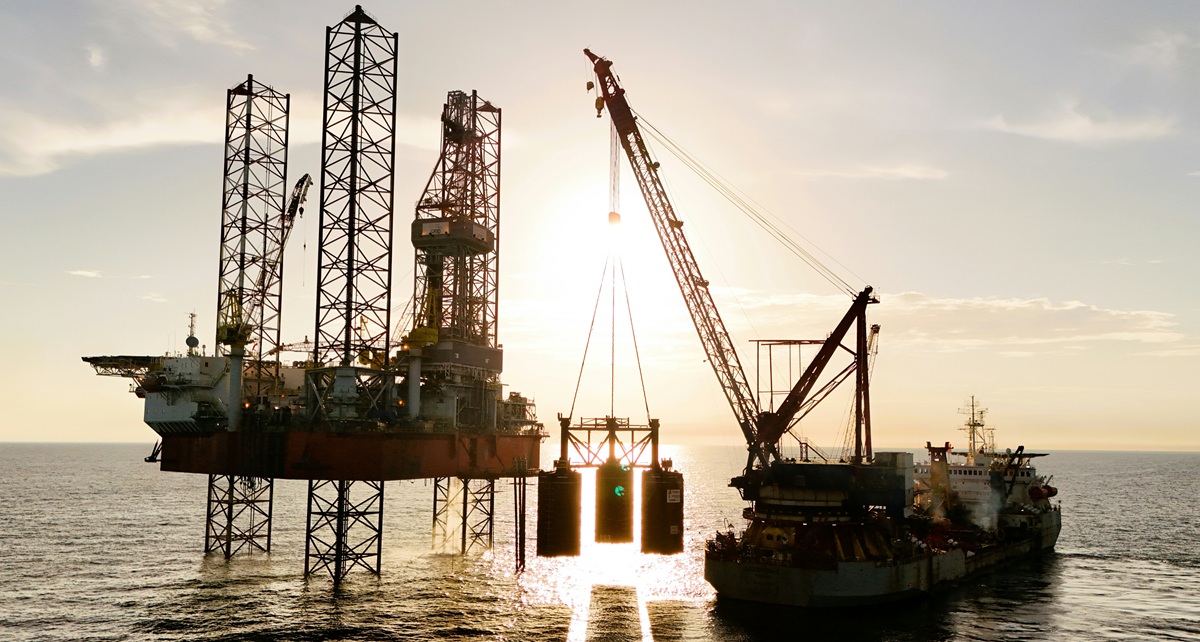
Offshore projects operate under conditions that few industries encounter. Teams work in remote locations with limited access to resources, strict safety protocols, and significant financial consequences if downtime occurs.
Several factors contribute to this complexity:
- Remote infrastructure management remains one of the most significant challenges. Oil platforms, subsea systems, and offshore facilities often operate hundreds of miles from onshore bases. Maintenance, inspections, and repairs must therefore be planned with precision, as mobilising engineers and equipment involves both significant cost and time.
- Asset-intensive operations add another layer of complexity. Offshore facilities depend on a wide range of interconnected assets, including drilling systems, pipelines, compressors, and safety equipment. Each component requires routine maintenance, regulatory inspections, and the ability to respond quickly when faults occur.
- Workforce coordination also presents operational challenges. Teams frequently consist of internal engineers, contractors, inspection specialists, and logistics personnel operating across several offshore locations. Coordinating these groups requires clear scheduling, reliable communication, and strong operational oversight.
- Safety and compliance pressures further increase operational demands. Oil and gas companies operate under strict regulatory frameworks where every inspection, maintenance action, and operational intervention must be accurately documented.
As offshore operations expand, attempting to manage these complexities through fragmented systems or manual processes becomes increasingly difficult.
Why Scaling Offshore Operations Requires A New Approach
Historically, many oil and gas organisations have relied on a mixture of spreadsheets, disconnected maintenance systems, and manual reporting to coordinate offshore work.
These approaches can function in smaller environments, but they struggle to support larger offshore programmes. As operational scale increases, leadership teams often encounter reduced visibility, inconsistent reporting, and operational inefficiencies that undermine operational control.
When offshore operations expand without a unified service management platform, several challenges typically emerge:
- Limited oversight of field activity, where leadership teams lack a clear view of what work is being performed offshore, by whom, and on which assets
- Inefficient resource deployment, with engineers and contractors dispatched without full visibility of skills, priorities, or asset requirements
- Slower maintenance responses due to fragmented service histories and incomplete asset data
- Poor coordination between onshore operations teams and offshore engineers, often caused by disconnected systems and delayed reporting
These issues rarely appear in isolation. Instead, they compound as operations scale, increasing both operational costs and risk exposure.
How This Touches Operations
For oil and gas organisations, the impact can be significant. Production delays, inefficient maintenance cycles, and reduced workforce productivity can quickly erode margins.
At the same time, limited operational visibility makes it more difficult for leadership teams to identify performance issues or optimise operational processes.
As offshore development programmes grow in complexity, the need for a more connected operational model becomes clear. Organisations require a centralised platform that brings together asset information, workforce coordination, and service activity within a single operational environment.
This is where modern service management platforms such as Dynamics 365 Field Service play a critical role, enabling organisations to scale offshore operations while maintaining operational discipline and strategic oversight.
Using Dynamics 365 Field Service For Offshore Development
Microsoft Dynamics 365 Field Service provides a unified platform for managing field operations, service activities, and asset performance. For offshore development environments, this integrated approach helps leadership teams maintain operational control while supporting growth.
The value of the platform lies not only in individual product capabilities, but in how it addresses core operational challenges faced by oil and gas organisations.
Improving Operational Visibility Across Offshore Assets
One of the most significant challenges in offshore environments is gaining a clear, real-time view of field activity.
Dynamics 365 Field Service consolidates asset data, work orders, maintenance histories, and operational updates into a centralised environment. This shared operational view connects offshore engineers, onshore operations teams, and senior leadership.
With improved operational visibility, organisations can track maintenance activity more effectively, identify developing issues earlier, and maintain clearer oversight of operational performance across offshore facilities.
For leadership teams responsible for operational efficiency, having accurate and accessible information allows for faster and more confident decision-making.
Coordinating Complex Offshore Workforces
Offshore development projects frequently involve a mixture of internal engineering teams and external contractors, each responsible for specialised tasks.
Managing this workforce requires more than basic scheduling tools. It requires a platform capable of aligning technician skills, availability, and operational priorities across multiple offshore locations.
Dynamics 365 Field Service enables operations teams to plan work assignments based on technician expertise and operational urgency. This ensures that the right personnel are deployed to the correct assets and that offshore teams operate with greater coordination.
Improved workforce planning reduces scheduling conflicts, improves technician productivity, and helps organisations make more effective use of highly specialised personnel.
For leadership teams, this results in more predictable operations and reduced disruption across offshore projects.
Supporting Predictive And Proactive Maintenance
Asset reliability is fundamental to offshore development success. Unplanned equipment failures can halt production, create safety risks, and generate significant financial losses.
Traditional maintenance strategies often rely on reactive responses when equipment fails. Modern service management platforms support a more proactive model.
Dynamics 365 Field Service enables organisations to centralise maintenance schedules, inspection data, and asset histories within a single operational framework. This allows maintenance teams to identify patterns that suggest potential failures and intervene before faults occur.
Preventative maintenance can therefore be scheduled more effectively, reducing the likelihood of emergency interventions and improving asset uptime.
By moving away from reactive maintenance strategies, oil and gas organisations can improve operational stability while reducing the costs associated with unexpected downtime.
Enhancing Safety And Compliance Management
Safety governance is central to offshore operations. Every maintenance action, inspection, and operational intervention must comply with strict regulatory standards.
A centralised service management platform helps ensure that field activities are consistently documented and traceable.
With Dynamics 365 Field Service, organisations can maintain structured records covering maintenance activities, inspection outcomes, and technician work orders. This creates a clear audit trail that supports both internal safety oversight and external regulatory compliance.
Leadership teams benefit from greater visibility into safety-related activities across offshore assets, strengthening accountability and reinforcing operational governance.
Strengthening Collaboration Between Onshore And Offshore Teams
Effective offshore operations rely on close collaboration between field engineers and onshore operations centres.
When communication gaps exist, operational decision-making slows and field teams may lack the information needed to resolve issues quickly.
Dynamics 365 Field Service provides a shared digital environment where operational data is accessible to both offshore engineers and onshore teams. Engineers can access work orders, asset histories, and maintenance instructions while in the field, while operations teams maintain real-time oversight of ongoing work.
This connected approach improves coordination across offshore projects and allows operational decisions to be made using accurate, up-to-date information.
Enabling Scalable Offshore Operations
For leadership teams overseeing offshore expansion, maintaining operational control during growth is a critical priority.
As offshore programmes expand, organisations must manage larger asset portfolios, more technicians, and increasing regulatory obligations. Attempting to coordinate these activities through fragmented systems creates operational risk.
A scalable service management platform introduces consistent operational processes across offshore locations while providing centralised oversight.
Dynamics 365 Field Service supports this by enabling standardised workflows, improved operational reporting, and clearer resource management across multiple offshore sites.
With consistent processes and unified data, organisations can scale offshore activity while maintaining the operational discipline required in complex environments.
Turning Operational Data Into Strategic Insight
Beyond operational coordination, digital service platforms generate valuable insight into asset performance and workforce productivity.
Field service data can reveal recurring asset failures, highlight inefficiencies in maintenance planning, and identify areas where workforce deployment could be improved.
For oil and gas leadership teams, this information supports more informed strategic decisions. Over time, service data can inform asset investment strategies, maintenance planning, and long-term operational improvements.
In an industry where asset reliability and operational efficiency directly influence profitability, the ability to transform operational data into strategic insight represents a significant competitive advantage.
A Digital Foundation For Modern Offshore Operations
Offshore development will continue to evolve as oil and gas organisations pursue greater operational efficiency and resilience.
Scaling these operations successfully requires more than increasing workforce capacity or expanding infrastructure. It requires a digital foundation that connects assets, teams, and operational data.
By improving operational visibility, workforce coordination, and maintenance planning, Dynamics 365 field service offshore development environments enable organisations to expand operations while maintaining the control and governance required in high-risk environments.
For leadership teams focused on efficiency, safety, and long-term profitability, adopting a unified service management platform is increasingly becoming a strategic operational decision. To discover about using Dynamics 365 Field Service for offshore development, reach out to our consultants today: