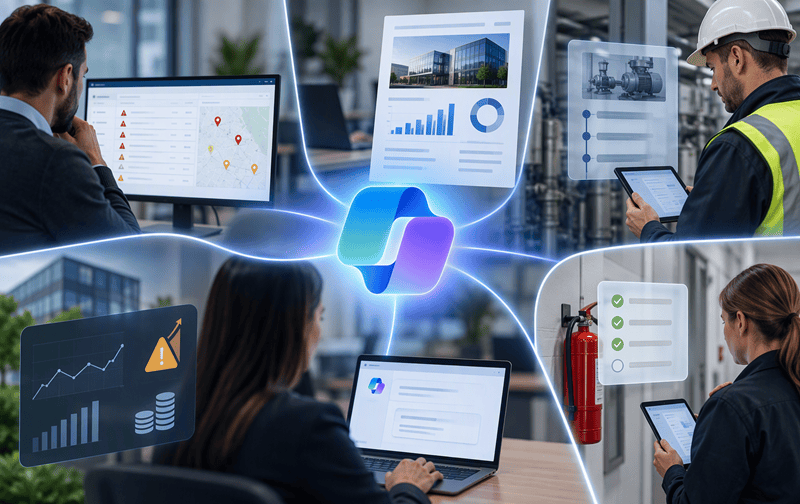
Utilities organisations operate in complex and regulated environments; managing critical infrastructure, serve large populations, and maintain essential services that households and businesses depend upon every day.
While the operational demands of the utilities sector remain unique, customer expectations are increasingly shaped elsewhere.
Changing Standards In Utilities
The benchmark for utilities customer experience is no longer defined by other energy providers, water suppliers, or network operators.
Instead, expectations are being set by digital-first organisations such as online retailers, streaming platforms, and app-based service providers. These companies have redefined what “good service” looks like: fast, personalised, transparent, and accessible through multiple channels.
For utilities organisations, this shift presents both a challenge and an opportunity. Meeting modern expectations requires new ways of managing customer relationships, accessing data, and responding to issues in real time.
Increasingly, this means adopting modern customer relationship management (CRM) platforms that allow organisations to manage customer interactions more intelligently and efficiently.
What Are The Current Trends In The Utilities Industry?
The utilities sector is undergoing significant transformation. Rising demand for sustainability, regulatory pressure, and the modernisation of infrastructure are all reshaping how utilities operate. At the same time, digital transformation is becoming a central strategic priority.
Several trends are driving change across the sector:
- The rapid digitisation of customer interactions. Historically, utilities relied on traditional communication methods such as call centres, letters, and billing notifications. Today, customers expect digital self-service options that allow them to manage accounts, track consumption, and resolve issues online.
- The increasing availability of customer and operational data. Smart meters, connected infrastructure, and IoT devices are generating vast volumes of information about usage patterns, service performance, and network health. When analysed effectively, this data enables utilities to deliver more proactive services and personalised experiences.
- The sector is also facing growing pressure to improve transparency. Customers now expect detailed insights into their energy or water usage, billing structures, and environmental impact. Providing this level of visibility requires sophisticated systems capable of consolidating and interpreting data across multiple operational platforms.
- The move towards renewable energy and decentralised generation is creating new service models. Customers are no longer simply consumers of utilities; many are now producers as well, generating power through solar installations or participating in smart grid initiatives. Supporting these evolving relationships requires flexible technology and improved customer engagement.
These trends are collectively reshaping utilities customer experience, forcing organisations to rethink how they interact with and support their customers.
How Have Customer Expectations Changed?
Customers now expect instant access to information. Whether ordering a product, booking travel, or managing finances, people are accustomed to receiving immediate updates and real-time insights. When interacting with utility providers, they expect the same level of responsiveness.
Another shift is the expectation of seamless communication across channels. Customers want the flexibility to engage through websites, mobile apps, email, social media, and phone support without having to repeat information or restart conversations. Consistency across these channels has become a defining element of modern service delivery.
Personalisation has also become increasingly important. Digital-first organisations routinely tailor recommendations, communications, and services based on customer behaviour and preferences. Utilities customers now expect their providers to understand their usage patterns, anticipate potential issues, and provide relevant guidance.
Transparency is another key expectation. Customers want clear explanations of charges, usage data, and service disruptions. They expect proactive notifications when outages occur or when their consumption changes significantly. This level of communication builds trust and strengthens long-term relationships.
Finally, customers increasingly expect service providers to resolve issues quickly. Waiting days for a response or navigating complex support processes is no longer acceptable. Digital-first organisations have proven that rapid resolution is possible, and customers now apply the same expectations to utilities providers.

Why Utilities Need A Unified View Of The Customer
Meeting these expectations requires utilities organisations to move beyond fragmented legacy systems.
CRM platforms play a critical role by centralising customer data, enabling service teams to access complete interaction histories, and supporting consistent communication across every channel.
Without a unified view of the customer, service teams often operate with incomplete information. Billing teams, customer service representatives, field engineers, and operations teams may all hold separate records of interactions, leading to delays and inconsistent responses.
A unified platform allows utilities organisations to consolidate these touchpoints into a single customer record. When service teams can see past interactions, account details, and service history in one place, they are able to respond more quickly and with greater accuracy.
This level of visibility is essential for delivering the type of utilities customer experience that modern consumers now expect.
How CRM Technology Supports Utilities’ Customer Experience
CRM technology provides utilities organisations with the foundation needed to deliver modern, responsive customer service.
By centralising customer data, CRM systems enable service teams to understand the full context of each interaction. This eliminates the need for customers to repeat information and allows agents to resolve issues more efficiently.
CRM platforms also enable proactive service models. For example, utilities organisations can automatically notify customers about outages, maintenance schedules, or unusual consumption patterns. These proactive communications improve transparency and demonstrate a commitment to customer care.
Another advantage is improved collaboration across teams. When customer service representatives, billing teams, and field engineers operate from the same system, they can coordinate activities more effectively. Service requests can be tracked from initial contact through to resolution, ensuring nothing falls through the cracks.
CRM technology also enables more strategic use of data. Utilities providers can analyse trends across customer interactions, identify recurring issues, and optimise service processes. Over time, these insights help organisations improve operational efficiency while delivering better customer outcomes.
Wider Challenges For The Utilities Industry
While the need to improve utilities customer experience is clear, delivering it can be difficult. The utilities sector faces several structural challenges that can slow the pace of transformation.
One of the most significant obstacles is legacy infrastructure. Many utility organisations operate complex systems built up over decades. These systems often lack integration, making it difficult to gain a unified view of customer interactions, service requests, and operational data.
Regulatory requirements also add complexity. Utilities providers must comply with strict rules governing pricing, reporting, and service standards. While these regulations protect consumers, they can also limit the speed at which new technologies and processes are introduced.
Operational scale presents another challenge. Utilities organisations typically serve hundreds of thousands or even millions of customers. Delivering personalised service at this scale requires robust digital platforms capable of managing high volumes of interactions and data.
There is also the issue of organisational structure. Many utilities providers operate with separate teams responsible for billing, service management, network operations, and customer support. Without integrated systems, these teams may work with different data sources and processes, leading to fragmented customer experiences.
Utilities Customer Experience: A Strategic Priority
Despite these challenges, improving utilities customer experience is becoming a strategic priority across the sector.
Organisations that invest in modern customer engagement platforms, integrated data environments, and smarter operational processes are better positioned to respond to rising expectations.
As digital-first industries continue to shape customer behaviour, utilities organisations must adapt their service models to remain relevant, responsive, and trusted by the communities they serve.